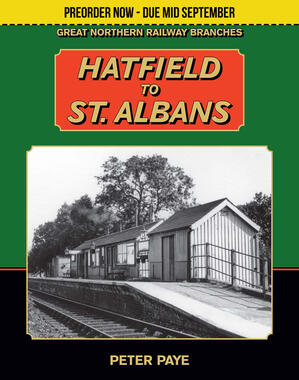
Great Northern Branch Lines : Hatfield to St. Albans - DUE IN STOC...
Condition: New - Excellent
Published by: Lightmoor Press
Author: Peter Paye
BHTB ID: 19379
Great Northern Branch Lines : Hatfield to St. Albans - DUE IN STOCK SOON
The Hatfield & St. Albans Railway opened for traffic in October 1865, a six-mile connection from the Great Northern Railway main line to a branch of the London & North Western Railway which had opened from Watford in May 1858. Although local in character, the new line was intended as part of a through rail route linking the eastern counties to the West of England but difficulties raising the requisite finances doomed it to a domiciled fate. Reliant on GNR backing and operation, its short-lived importance was further nullified when the Midland Railway opened the southward extension from Bedford via St. Albans to London in 1868. Bereft of further advancement, the H&SAR attempted to persuade the GNR to take over the line but with reducing financial returns the main line company was reluctant to take such action. The St. Albans company entered receivership in 1872 and following crisis after crisis the GNR absorbed the company in 1883. On takeover, the GNR gradually made necessary improvements to signalling and infrastructure, increased train services and attracted industrial development to enhance freight traffic receipts. The decades before World War One found branch trains conveying commodities as varied as orchids, bibles, musical instruments, bricks, building materials, potatoes and manure. After hostilities, competitive bus services increased on the already busy main road between Hatfield and St. Albans, requiring economies in passenger train working and the complete withdrawal of Sunday services. This continued after grouping under the L&NER and reasonable services were operated until the outbreak of World War Two when passenger services ceased abruptly. Petrol rationing required the reintroduction of passenger trains but on a much reduced scale and operated chiefly for munition workers. Freight traffic increased and the branch was indirectly involved with the wartime construction of aircraft necessitating the opening of a new halt for workers as well as the servicing of food storage facilities. Nationalisation from 1948 found the branch divided between British Railways Eastern and London Midland regions; the meagre passenger train Service was withdrawn in 1951. Freight services continued until contracts with merchants expired and the branch finally closed in 1968. Such was the local enthusiasm for the line that a group formed the Smallford Station & Alban Way Heritage Trust; as a result the majorITy of the trackbed is available for walkers and cyclists to enjoy the Alban Way where once locomotives in apple green livery hauling a rake of coaches once darkened the atmosphere.
By the same publisher...
Tenterden's Railway - A Short History of the Kent & East Sussex Railway
A History of the Port Talbot Railway & Docks Company

Charles Roberts & Company 1856 - 2005
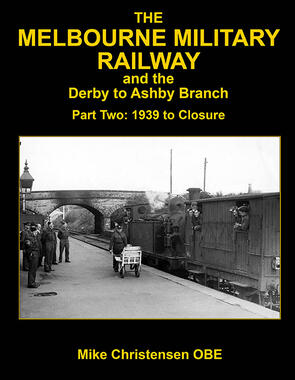
The Melbourne Military Railway and the Derby to Ashby Branch Part 2
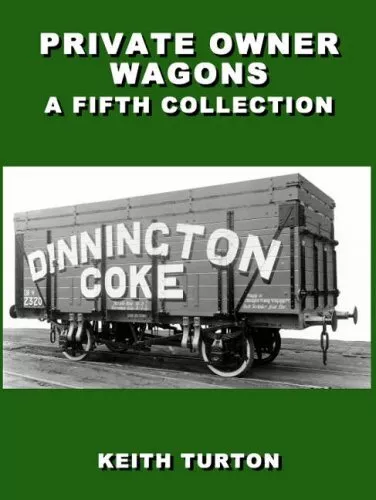
Private Owner Wagons : A Fifth Collection (SMOKE DAMAGED)
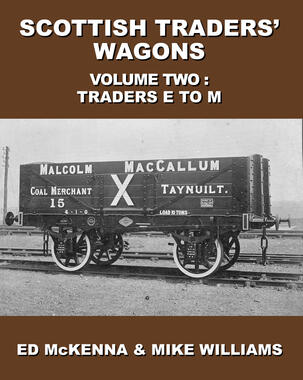
Scottish Traders’ Wagons Volume Two Traders E to M
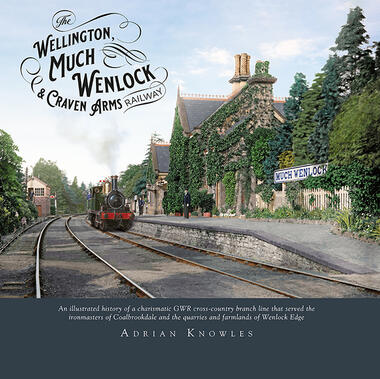
The Wellington, Much Wenlock and Craven Arms Railway
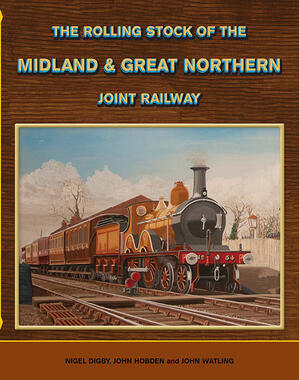
The Rolling Stock of the Midland & Great Northern Joint Railway
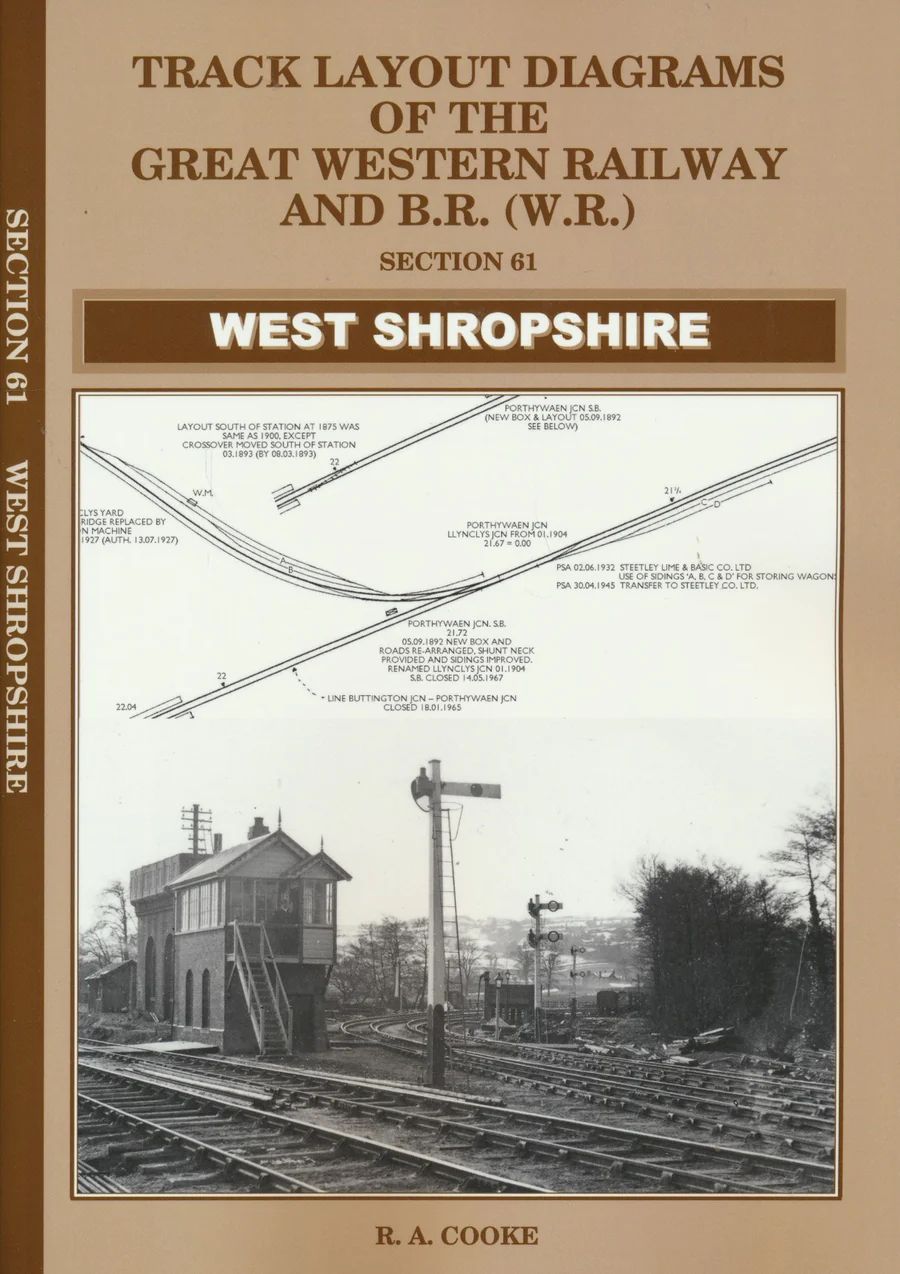
Track Layout Diagrams of the GWR and BR (WR) - Section 61 West Shropshire
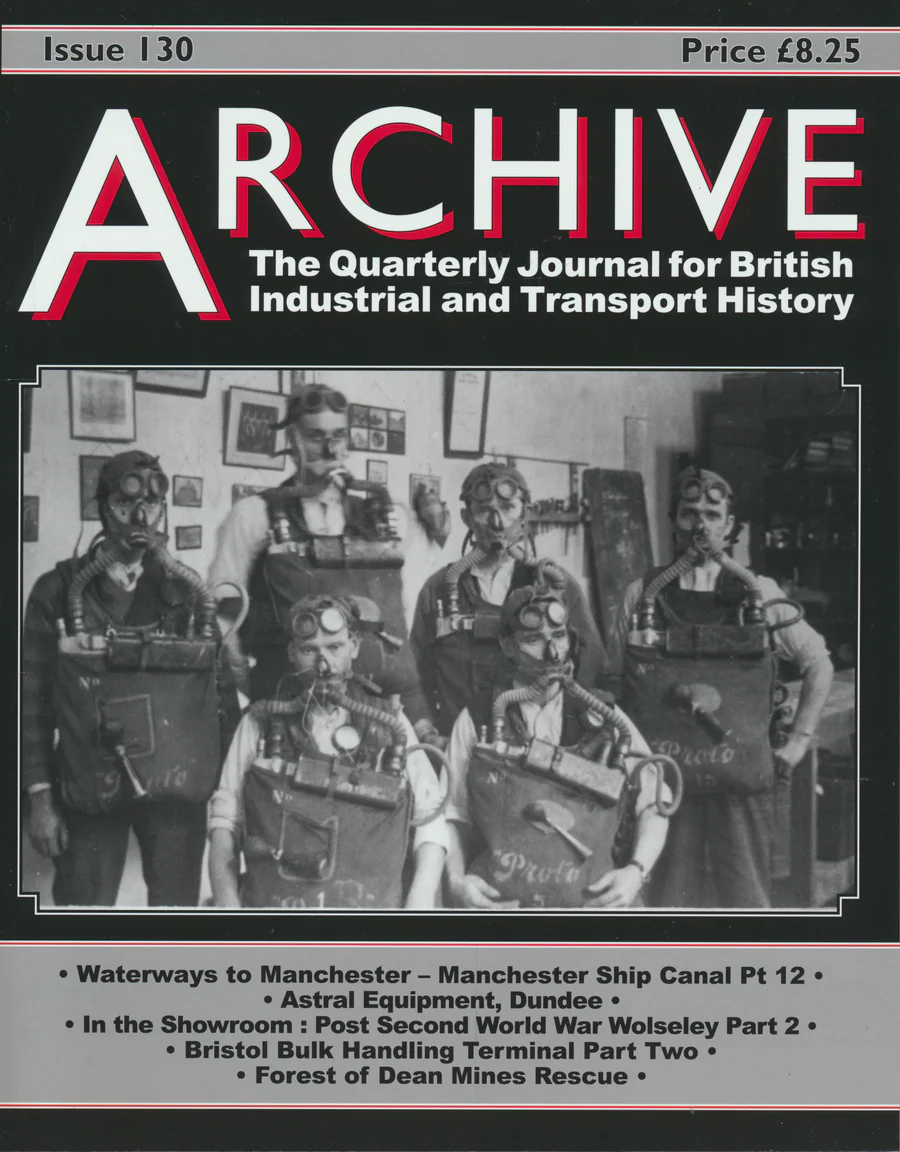
Archive Issue 130 FINAL ISSUE
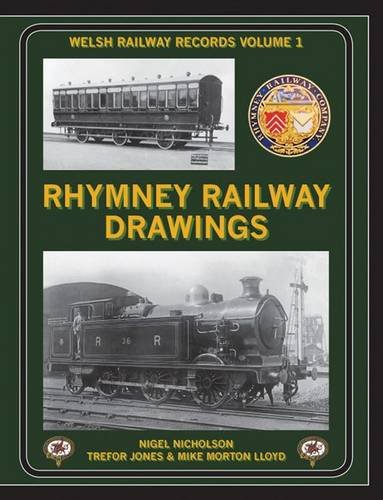
Welsh Railway Records Volume 1 - Rhymney Railway Drawings
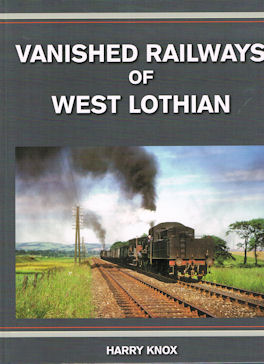
Vanished Railways of West Lothian
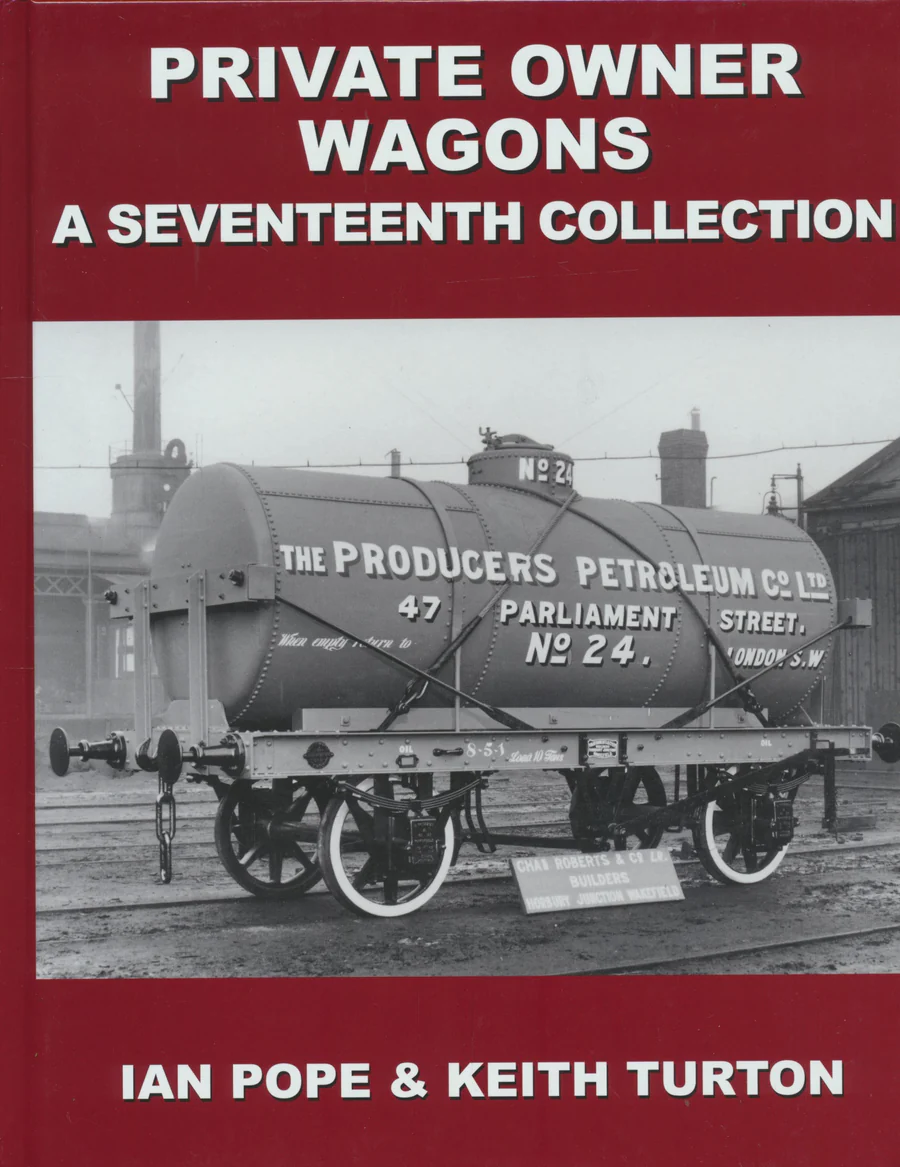
Private Owner Wagons : A Seventeenth Collection
Archive Issue 124
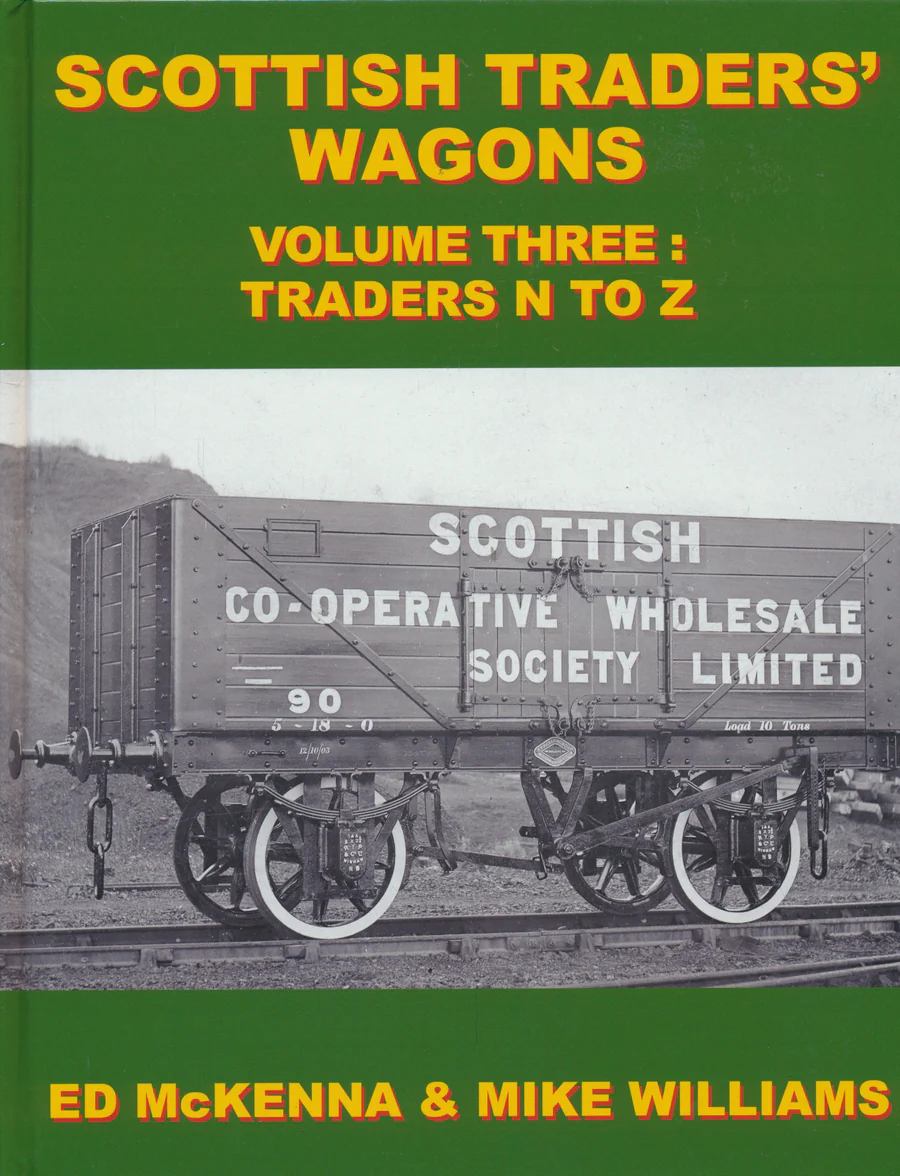
Scottish Traders' Wagons Volume Three
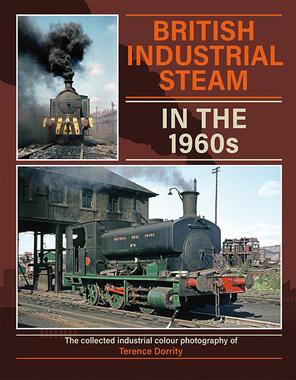
British Industrial Steam in the 1960s
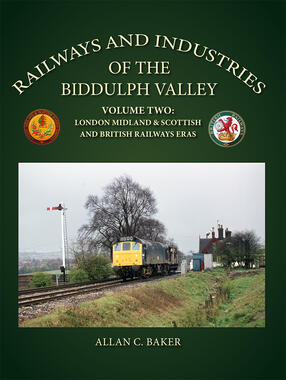
Railways and Industries of the Biddulph Valley Volume Two London Midland & Scottish and British Railways Eras
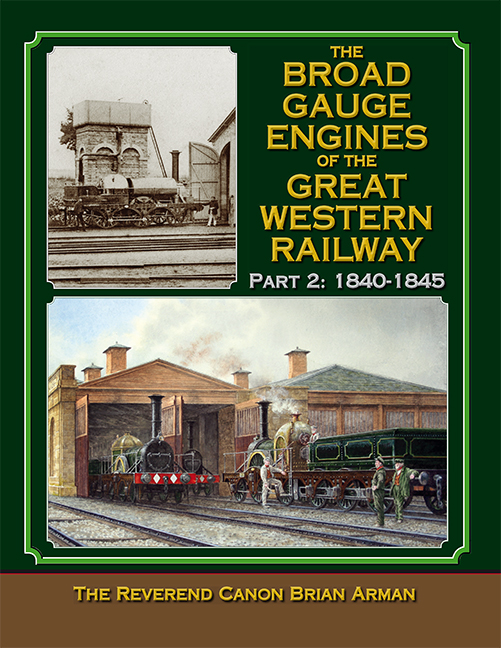
The Broad Gauge Engines of the Great Western Railway Part 2: 1840-1845
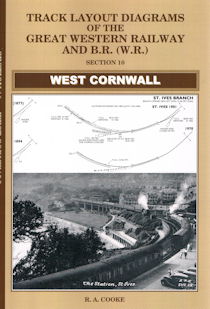
Track Layout Diagrams of the Great Western Railway and B.R. (W. R.) Section 10
Archive Issue 125
Coal From Camerton
Private Owner Wagons of Somerset
Private Owner Wagons A Fifth Collection
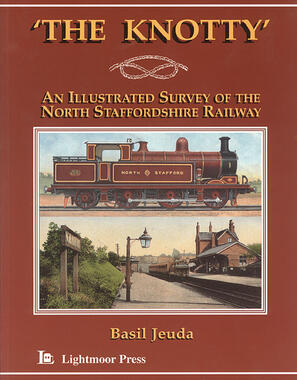
'The Knotty': An Illustrated Survey of the North Staffordshire Railway
The Stafford and Uttoxeter Railway
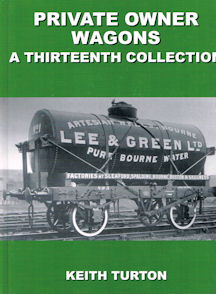
Private Owner Wagons
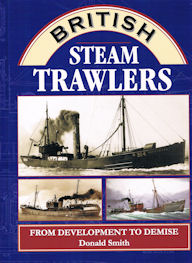
British Steam Trawlers
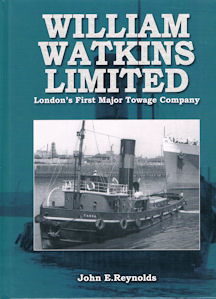
William Watkins Limited
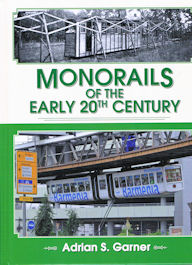
Monorails of the Early 20th Century