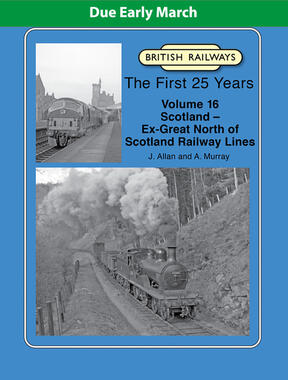
British Railways The First 25 Years Volume 16: Scotland – Ex-Gre...
Condition: New - Excellent
Published by: Lightmoor Press
Author: J. Allan and A. Murray
BHTB ID: 18613
British Railways The First 25 Years Volume 16: Scotland – Ex-Great North of Scotland Railway Lines (PRE ORDER DUE EARLY MARCH)
THIS IS A PRE ORDER- IT IS NOT IN STOCK YET.
The original Great North of Scotland Railway (GNoSR) scheme was for a main line from Aberdeen to Inverness, via Inverurie, Huntly, Keith, Elgin, Forres, and Nairn with branches to Banff, Portsoy, Garmouth, and Burghead. Construction only from Kittybrewster to Huntly, opening in 1854. When Keith was reached in 1856 the route mileage was around one-third of that authorised in 1846. During the next decade, however, this figure was almost quadrupled by the opening of several branches and extensions including one from Dyce to Peterhead and Fraserburgh, the Speyside line to Boat of Garten and the Morayshire line from Elgin to Craigellachie. In 1866 the GNoSR leased the Deeside Railway between Aberdeen and Ballater and absorbed it in 1876. The remaining lines were constructed by the company and the most important of these was the Moray Firth Coast line, from Portsoy to Elgin, which was opened between 1884 and 1886. The last addition was the standard-gauge light railway from Fraserburgh to St. Combs, opened in 1903. We begin our journey at Aberdeen exploring the docks as well as the Joint station and then follow the main line to Huntly and Grange, stopping to visit Kittybrewster shed and Inverurie Works before travelling down the branch from Inveramsay to Macduff. From Grange we go to Craigellachie, passing through Keith and the magnificent Glen Fiddich. We follow the main line to Elgin before taking the branch to Lossiemouth and then resume our journey to Boat of Garten along the Spey Valley. Returning to Dyce on the outskirts of Aberdeen we head north to the fishing towns of Peterhead and Fraserburgh and the Light Railway to St. Combs. We then go from Tillynaught to Banff and then along the Moray Firth Coast line towards Elgin. Finally, we return to Aberdeen for the Ballater branch with its Royal connections. At nationalisation, the line’s motive power had hardly changed since pre-war days. ‘D40’ and ‘D41’ 4-4-0s worked the majority of both passenger and goods services with ex-GER ‘B12’ 4-6-0s on the Deeside and the Peterhead/Fraserburgh lines. New ‘B1’ 4-6-0s had started to appear in the final days of the L&NER and together with BR Standard 2-6-4Ts soon replaced all of the ‘D41’s and ‘B12s’. ‘K2’ 2-6-0s also arrived in late 1953 and NBR ‘J36’ 0-6-0s took over the goods work from the ‘D40’s, all but one of which were withdrawn by March 1957. In 1958 came the first signs of dieselisation as railbuses took over the Speyside passenger services. DMUs were introduced in 1958/9 and took over the branch services to Ballater, Fraserburgh and Peterhead. Over sixty years ahead of its time, a Battery Electric Railcar was employed on the Ballater branch between 1958 and 1962. In 1960 the North British Type ‘2’s for passenger work and a few English Electric Type ‘1’s for freight work arrived. The former were early casualties of BR’s Traction Plan with all withdrawn by 1968, and the latter were transferred south. The small amount of remaining diesel locomotive work was then taken over primarily by BRC&W Type ‘2’s, with DMUs providing the majority of passenger services.
Please contact us for a quote for shipping outside the UK Mainland before ordering.
By the same publisher...
Tenterden's Railway - A Short History of the Kent & East Sussex Railway
British Railways The First 25 Years Volume 1: The East Midlands
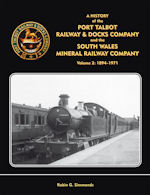
A History of the Port Talbot Railway & Docks Company

Charles Roberts & Company 1856 - 2005
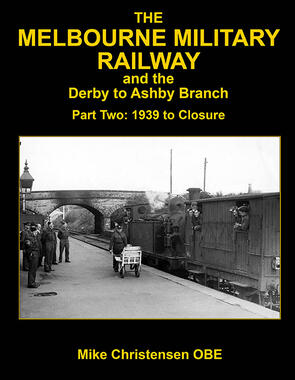
The Melbourne Military Railway and the Derby to Ashby Branch Part 2
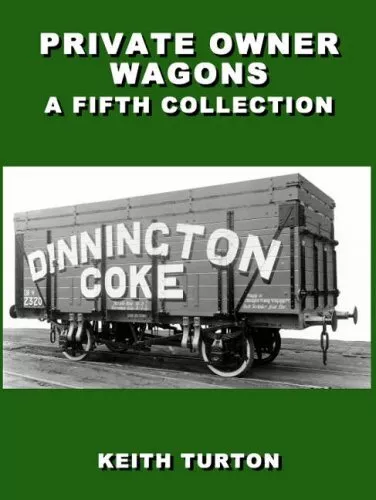
Private Owner Wagons : A Fifth Collection (SMOKE DAMAGED)
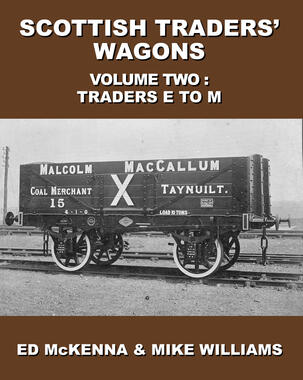
Scottish Traders’ Wagons Volume Two Traders E to M
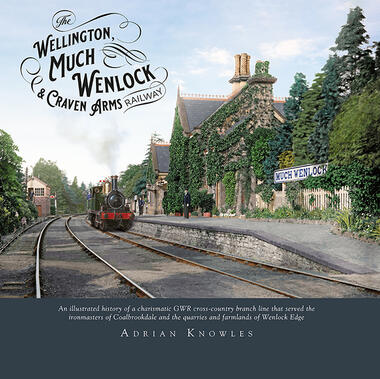
The Wellington, Much Wenlock and Craven Arms Railway
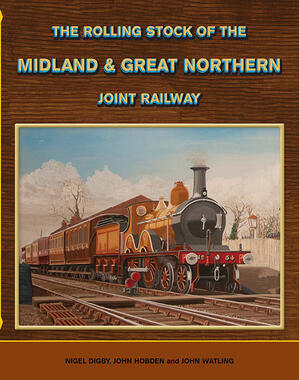
The Rolling Stock of the Midland & Great Northern Joint Railway
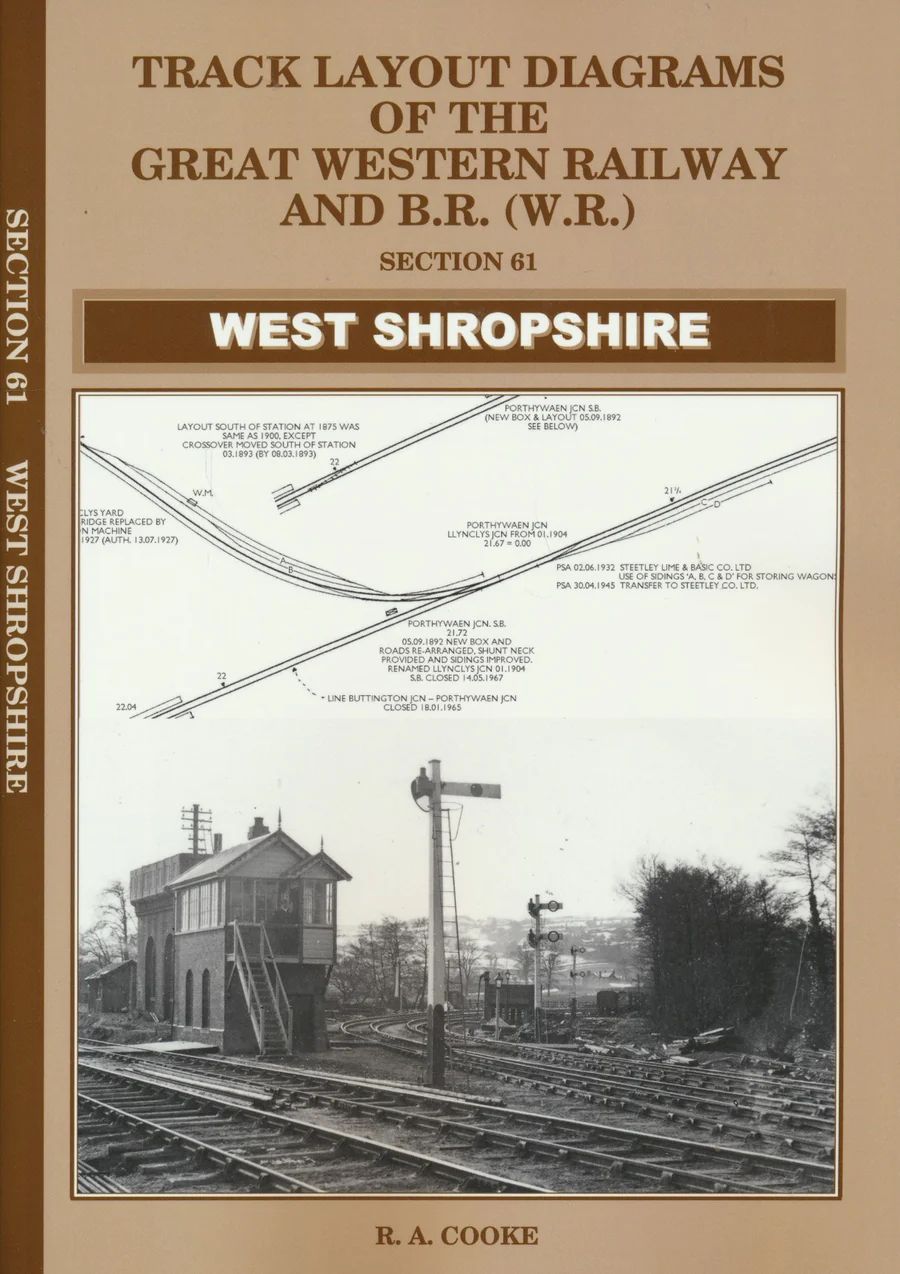
Track Layout Diagrams of the GWR and BR (WR) - Section 61 West Shropshire
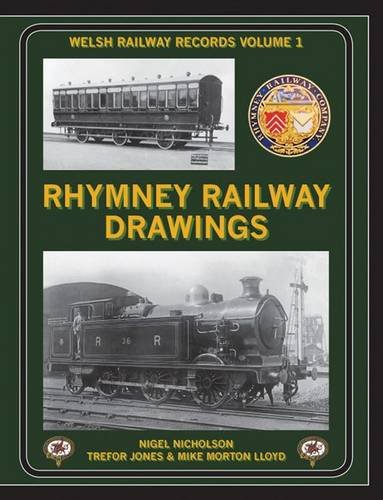
Welsh Railway Records Volume 1 - Rhymney Railway Drawings
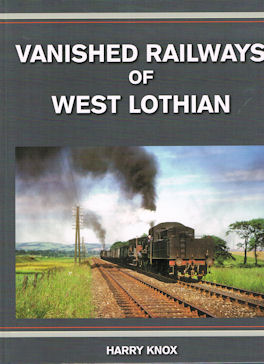
Vanished Railways of West Lothian
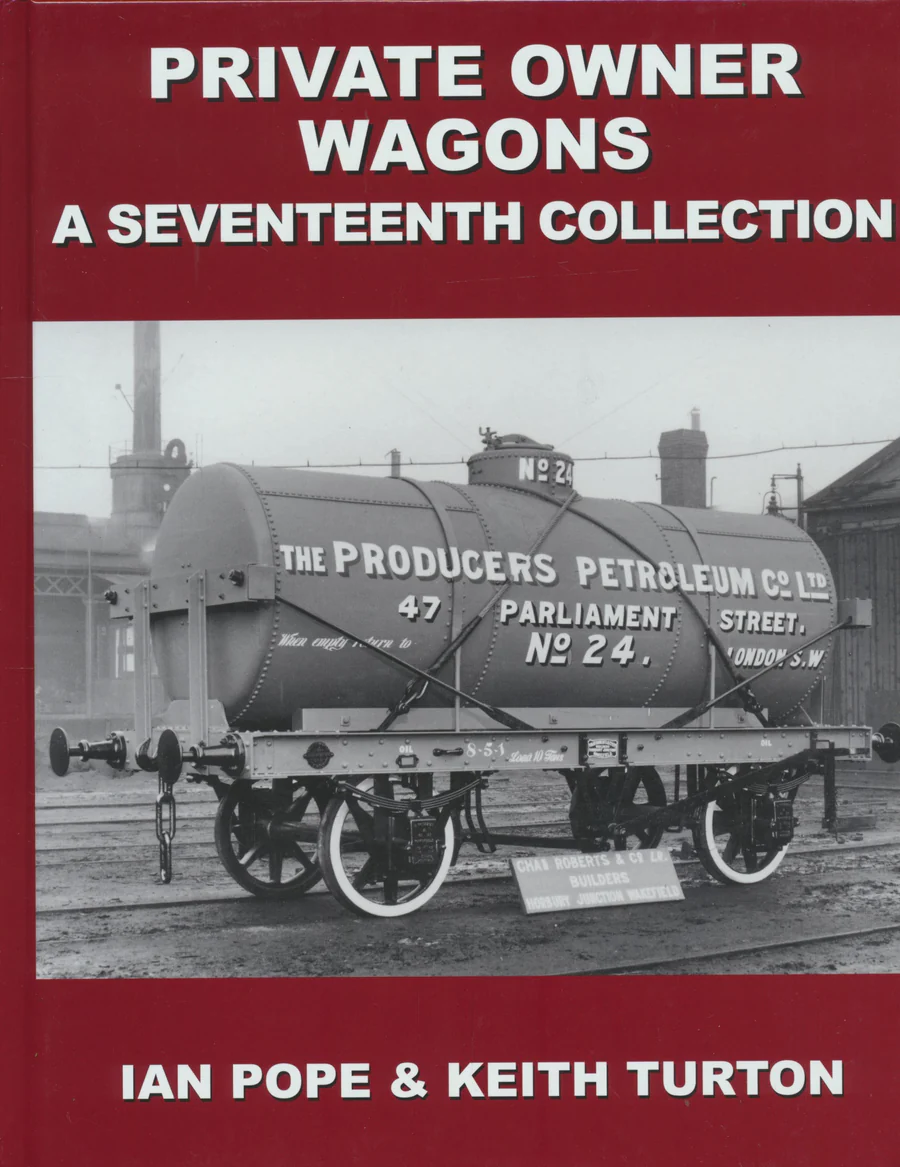
Private Owner Wagons : A Seventeenth Collection
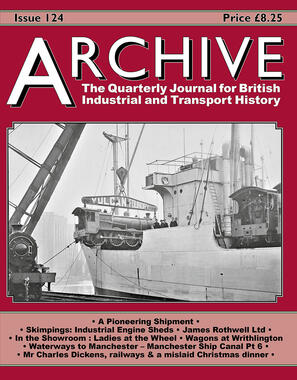
Archive Issue 124
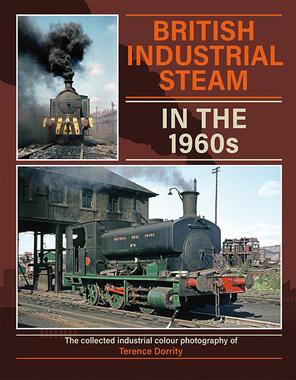
British Industrial Steam in the 1960s
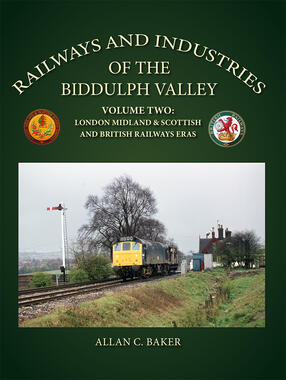
Railways and Industries of the Biddulph Valley Volume Two London Midland & Scottish and British Railways Eras
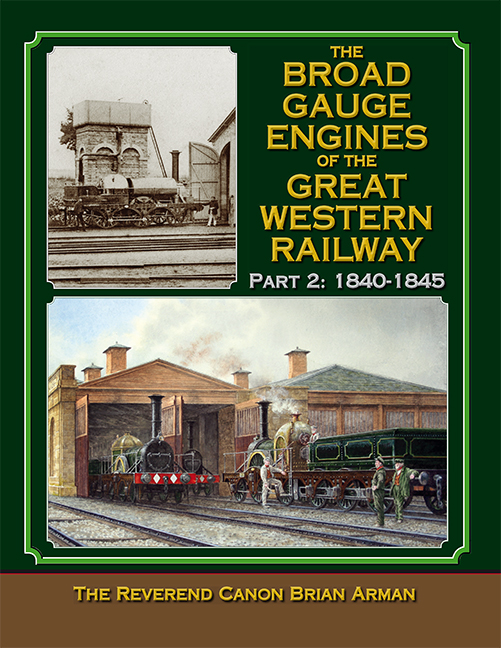
The Broad Gauge Engines of the Great Western Railway Part 2: 1840-1845
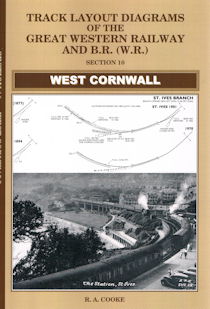
Track Layout Diagrams of the Great Western Railway and B.R. (W. R.) Section 10
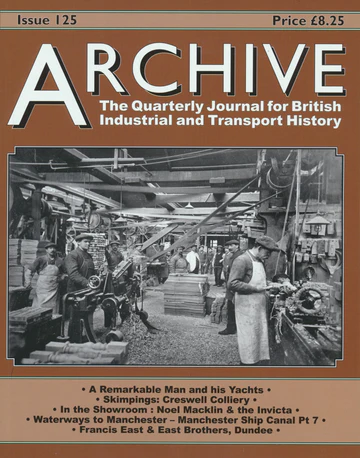
Archive Issue 125
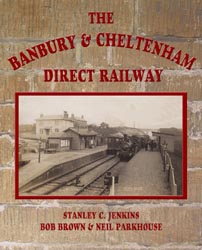
The Banbury & Cheltenham Direct Railway
Coal From Camerton
Private Owner Wagons of Somerset
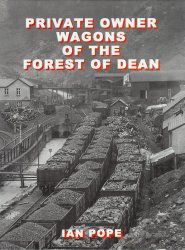
Private Owner Wagons of the Forest of Dean
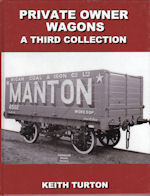
Private Owner Wagons A Third Collection
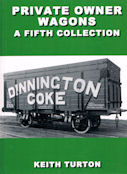
Private Owner Wagons A Fifth Collection
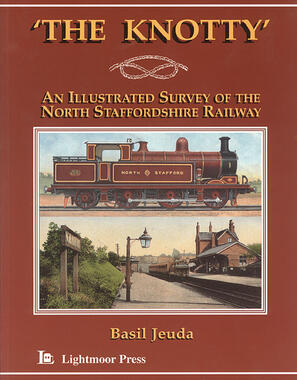
'The Knotty': An Illustrated Survey of the North Staffordshire Railway
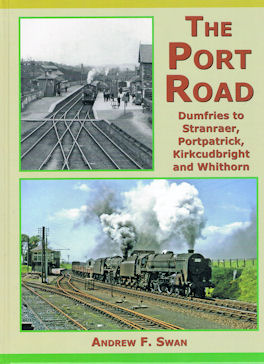
The Port Road
The Stafford and Uttoxeter Railway
Private Owner Wagons