TOPS Wagonload - Volume One - BCO - HKV - DUE END OF OCTOBER
Condition: New - Excellent
Published by: Crecy Publishing Limited
Author: David Larkin
BHTB ID: 19398
TOPS Wagonload - Volume One - BCO - HKV - DUE END OF OCTOBER
A Pictorial Survey of vehicles used on Wagonload services, 1975-1985
Dr Richard Beeching is probably best-known today as the author of the infamous report of March 1963 that argued for the wholesale closure of much of Britain’s passenger network. However, the report also dealt with the future of BR’s freight business. It was recognised that the bulk of traditional wagon-load traffic were no longer competitive as a result of the growth of the road haulage industry, but the Beeching report did identify a number of freight flows for which the railway still offered advantages.
One of these, in addition to specialist wagon load traffic, was when freight could be consolidated into a train load for delivery to specific customers or where only one commodity was conveyed in each train. The most prominent example of this was the advent of the merry-go-round train which provided a direct connection from the colliery to the massive coal-fired power stations. These trains became a feature of the landscape from the early 1960s, as older and less efficient plants were closed down.
For this new traffic, new wagons were constructed and older vehicles were repurposed. Those that survived into the early 1970s were allocated codes under the new TOPS, Total Operations Processing System, an early computerised tracking system which was designed to improve efficiency and aid the railway’s efforts to compete with the road haulage industry.
In the first of three heavily illustrated volumes devoted to these vehicles, David Larkin examines the types of wagons that were allocated prefix codes between BCO and HKV under the TOPS scheme. These included brake vans, hoppers, Conflats and many more that were used to convey such varied traffic as sugar, gunpowder and China clay.
By the same publisher...
Railways Remembered: Southern England 1962-1972
The Acquired Wagons of British Railways Volume 8 -
The Acquired Wagons of British Railways Volume 5
Southern Coaches Survey Pre-Grouping and BR Mk 1 Stock
GWR Goods Cartage Volume 2: Garages, Liveries, Cartage and Containers
The Southern Way - Issue 74
British Railways Station Totems: The Complete Guide
abc Rail Guide 2026
The Acquired Wagons of British Railways
Railway Breakdown Cranes Volume 1
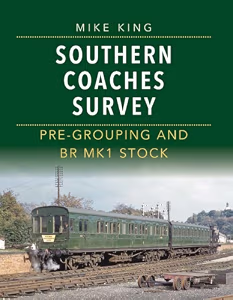
Southern Coaches Survey: Pre - Grouping and BR MK1 Stock
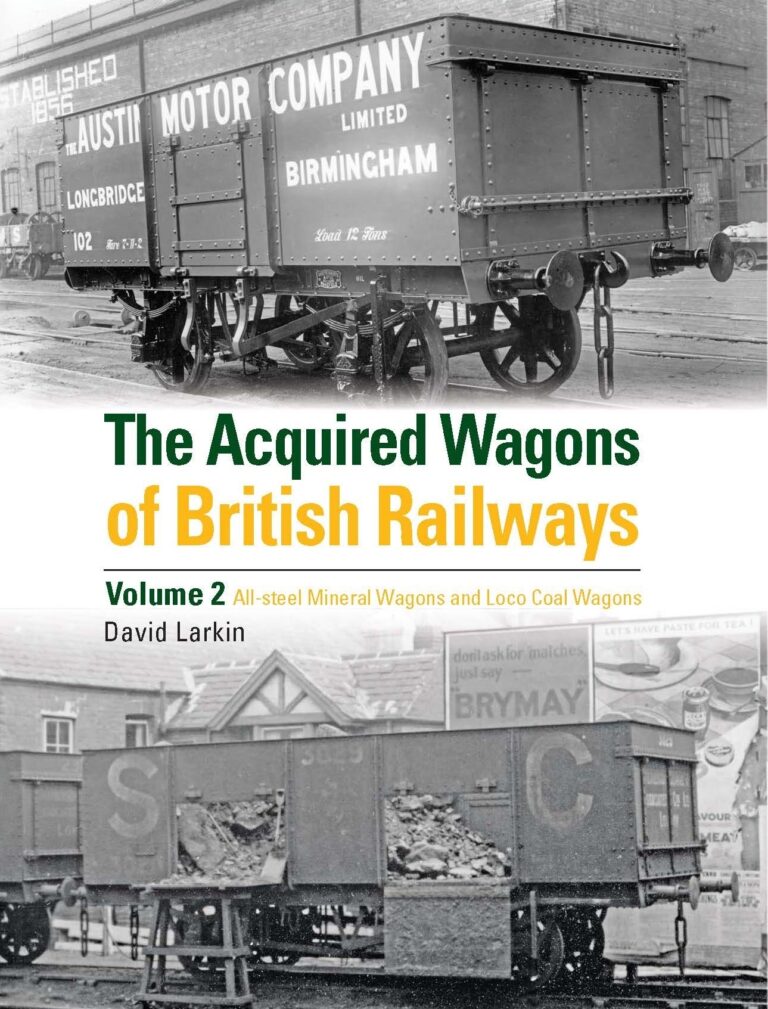
The Acquired Wagons of British Railways Volume 2: All-steel mineral wagons and loco coal wagons
Modern Locomotives of the UK
London Railway Atlas - 6th Edition (Reprint)
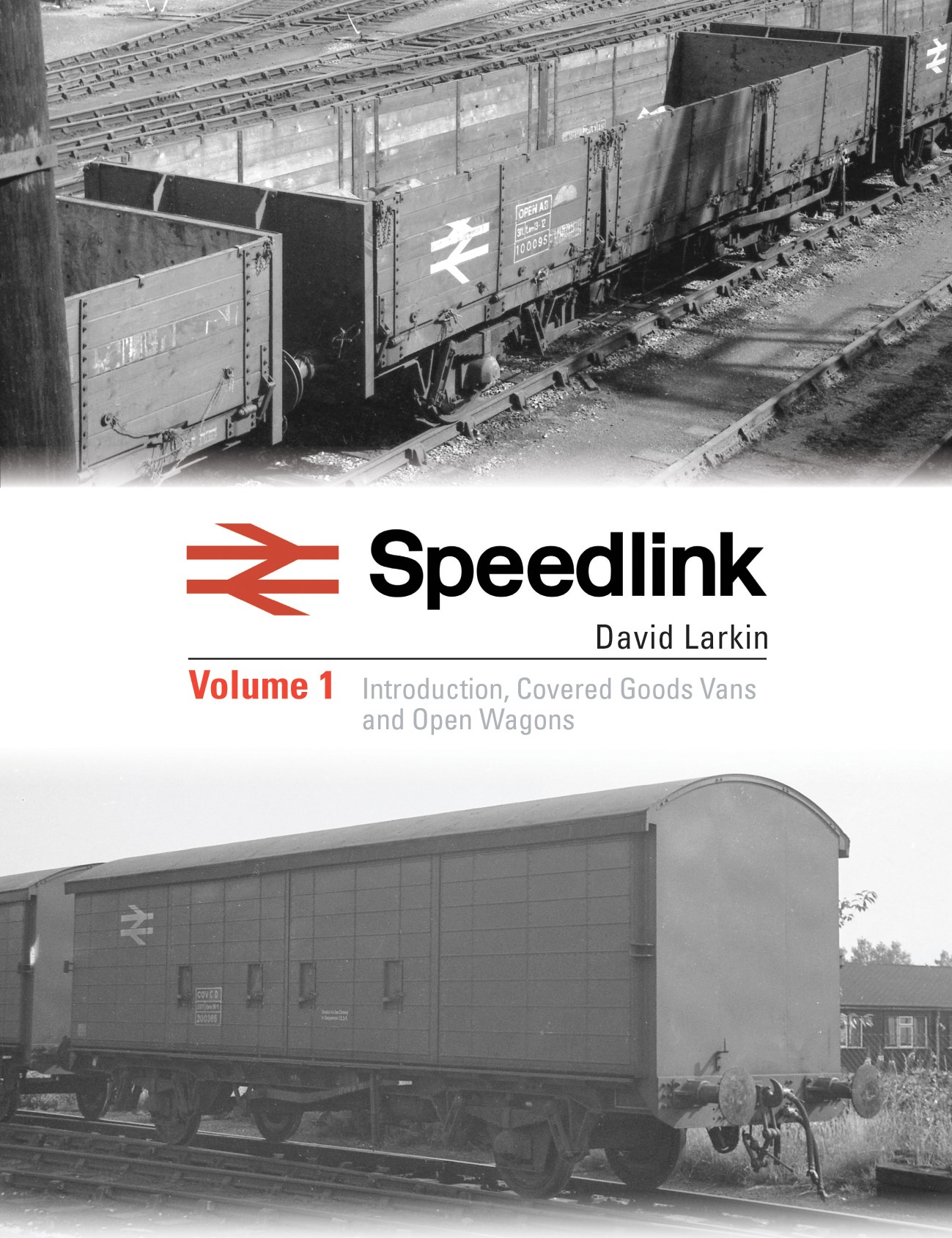
Speedlink Volume 1 Introduction, Covered Goods Vans and Open Wagons
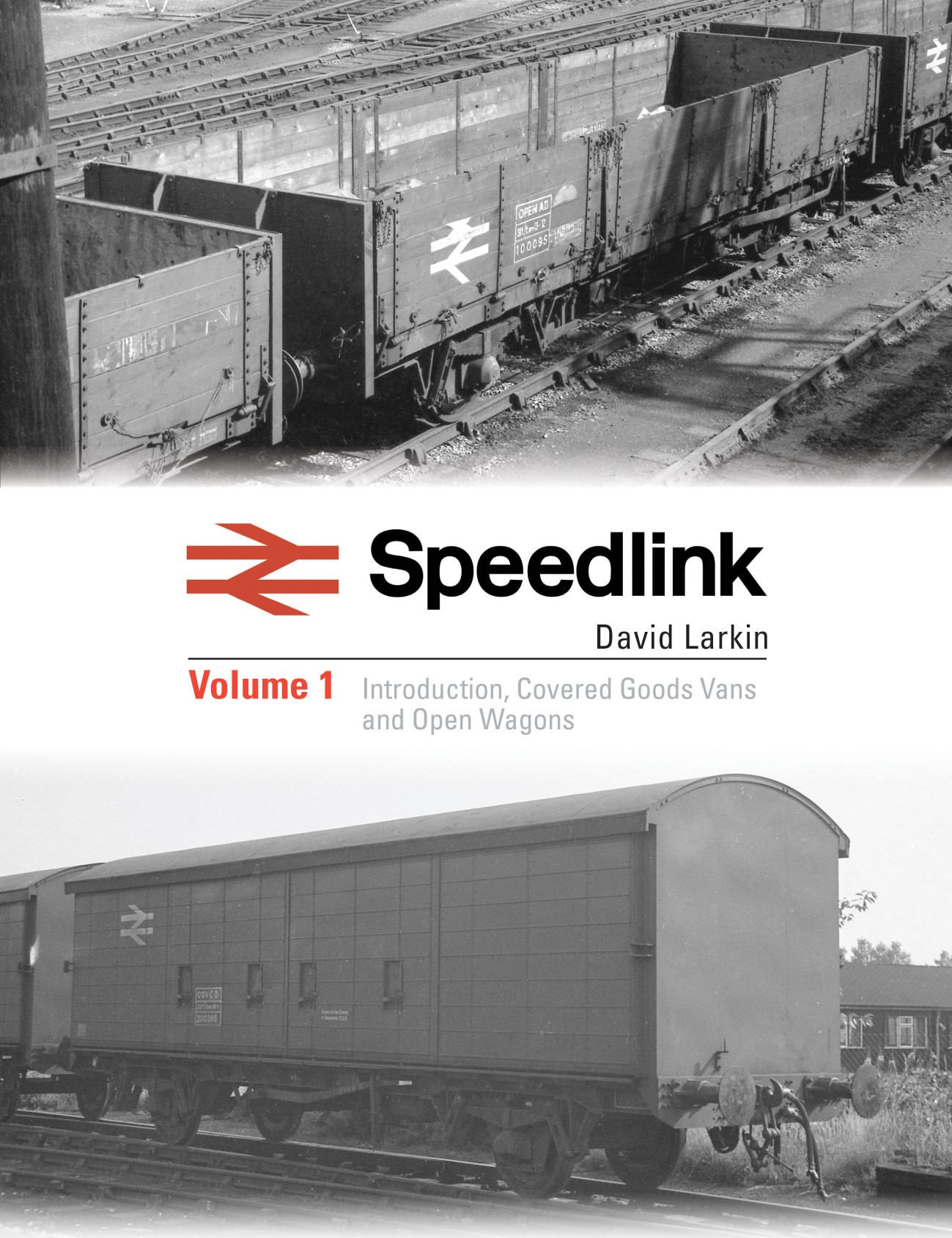
Speedlink Volume 1 Introduction, Covered Goods Vans and Open Wagons
Rail Atlas of Great Britain & Ireland - 16th Edition IN STOCK
British Railways Freight Terminals Since 1960
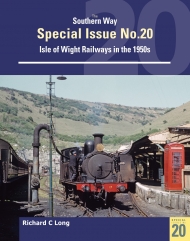
Southern Way Special Issue No. 20 Isle of Wight Railways in the 1950s
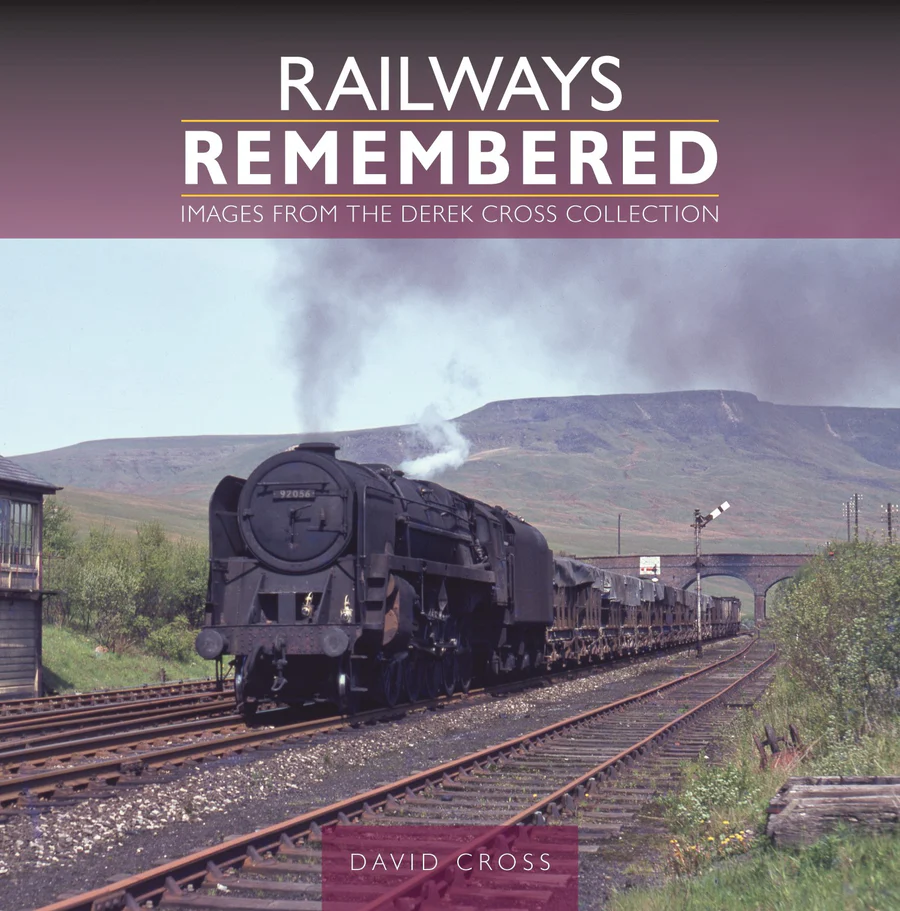
Railways Remembered: Images from the Derek Cross Collection
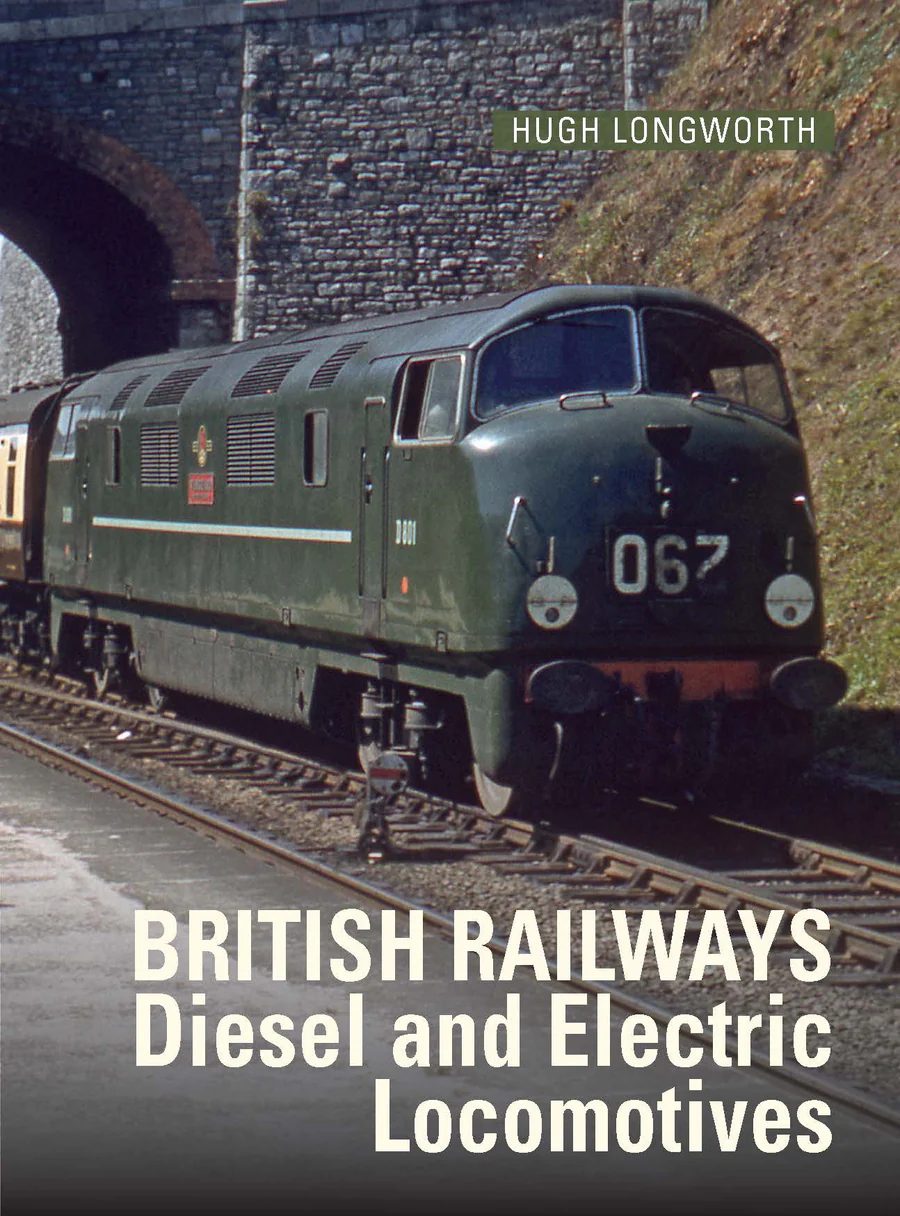
British Railways Diesel and Electric Locomotives
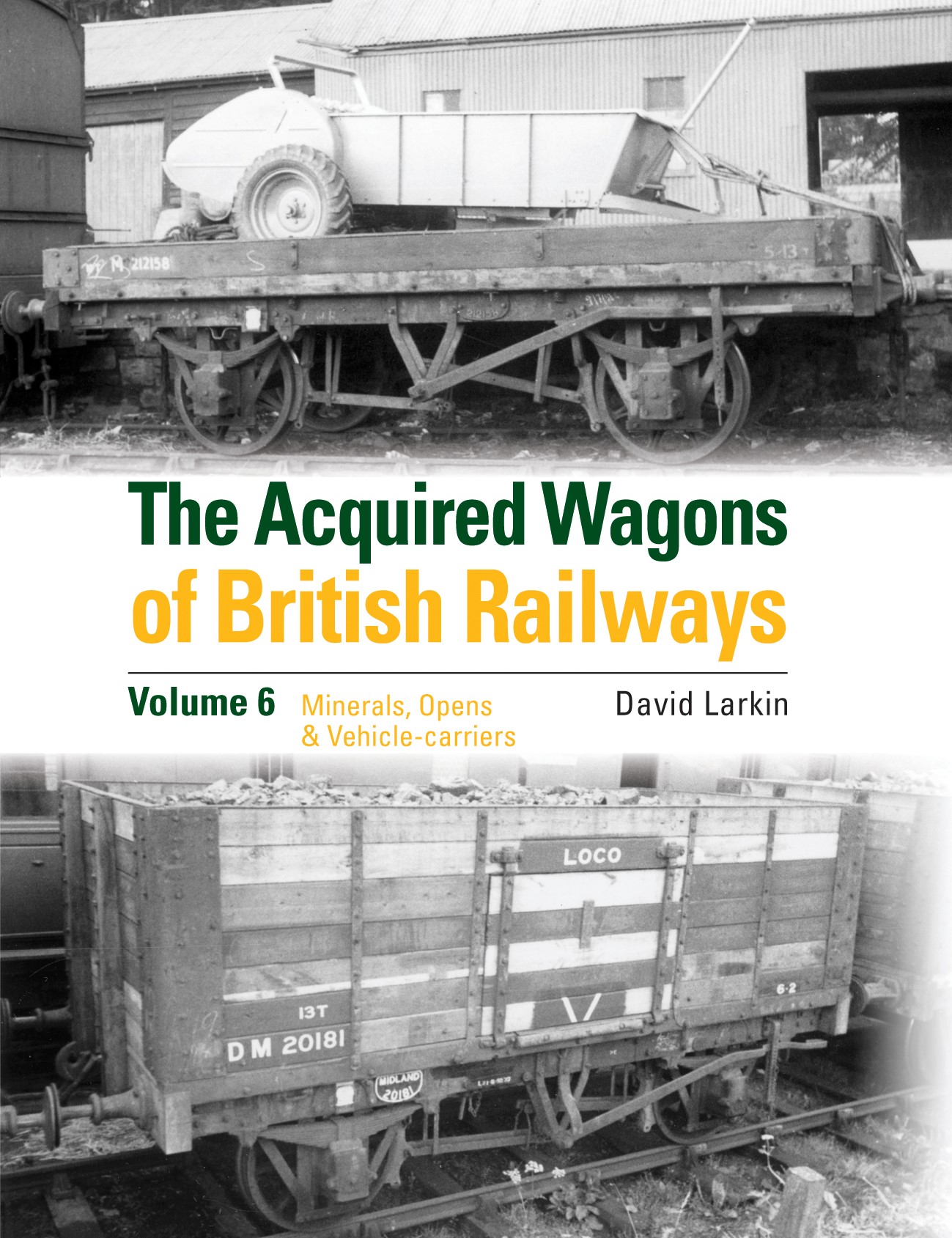
The Acquired Wagons of British Railways: Volume 6
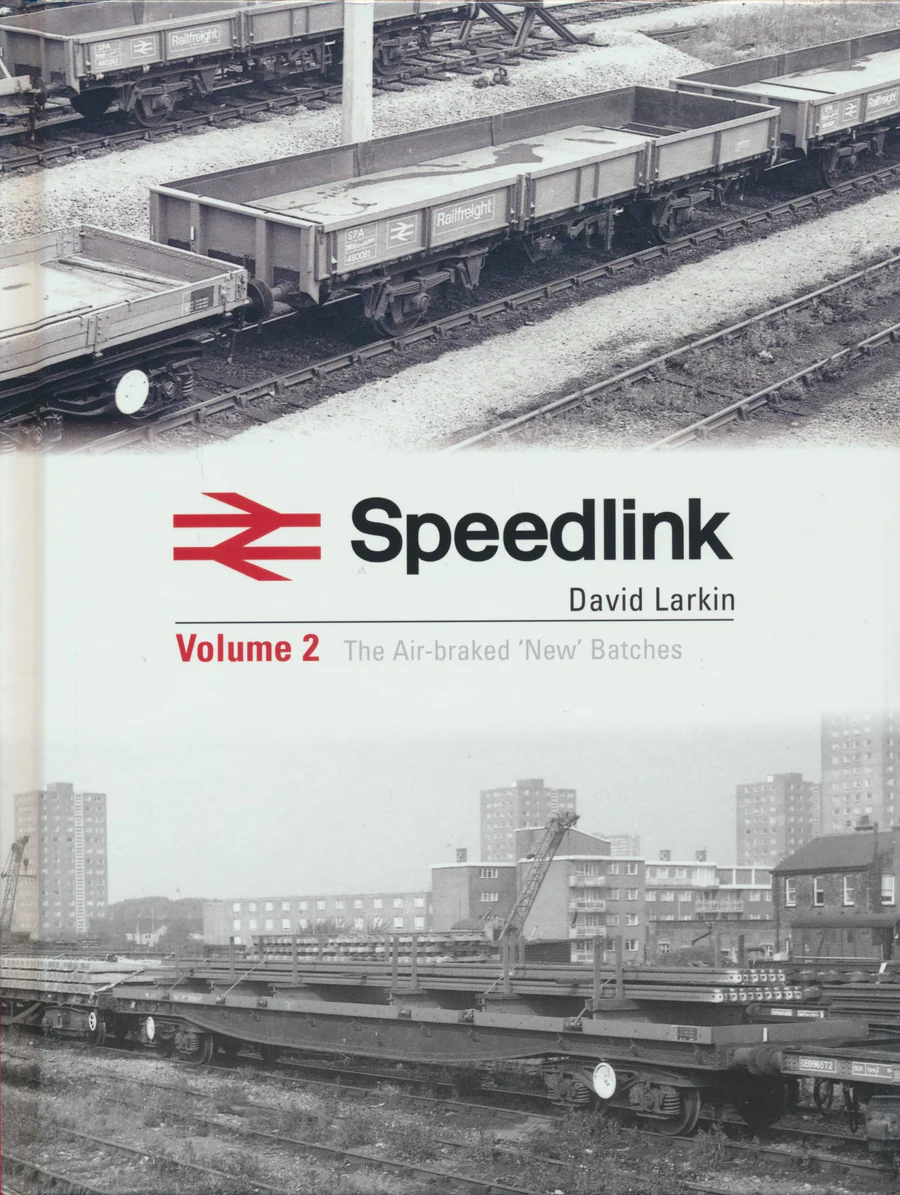
Speedlink Volume 2 - The Air-Braked 'New' Batches -
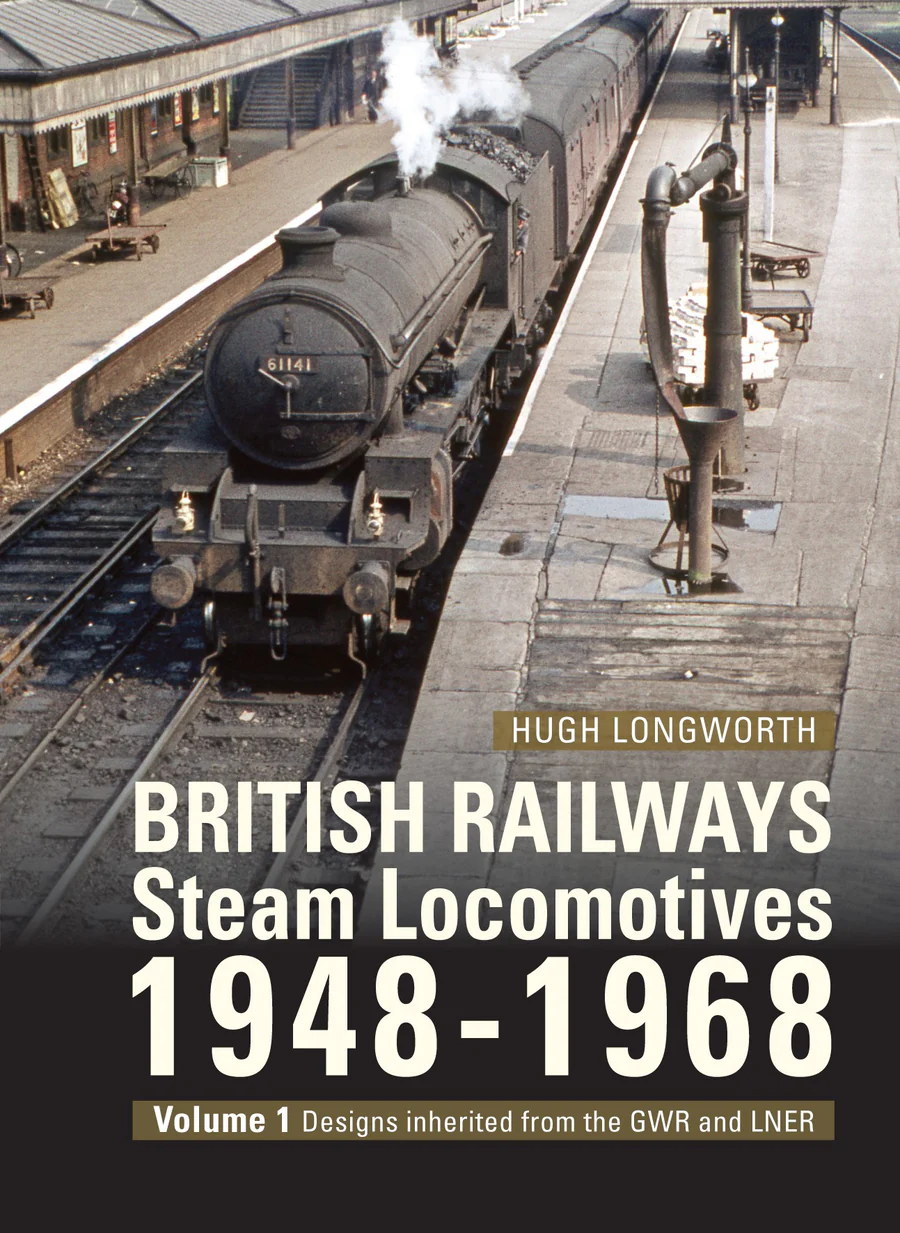
British Railways Steam Locomotives 1948-68 Volume 1: Designs inherited from the GWR and LNER

The Southern Way - Issue 69
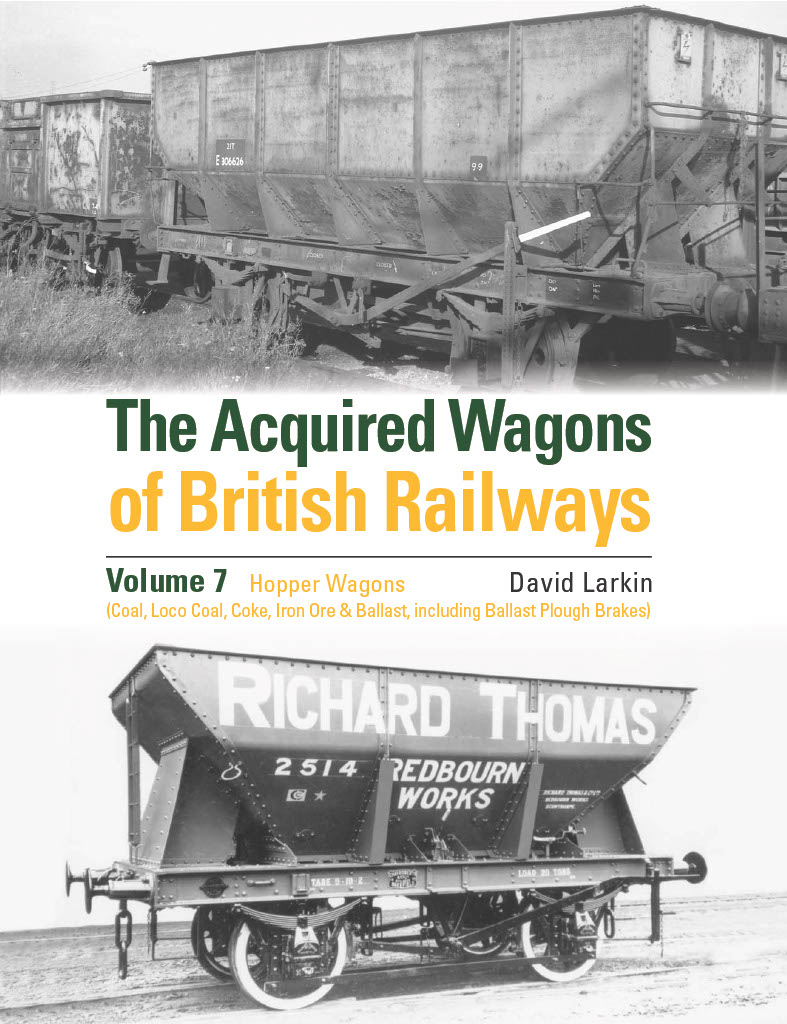
The Acquired Wagons of British Railways Volume 7
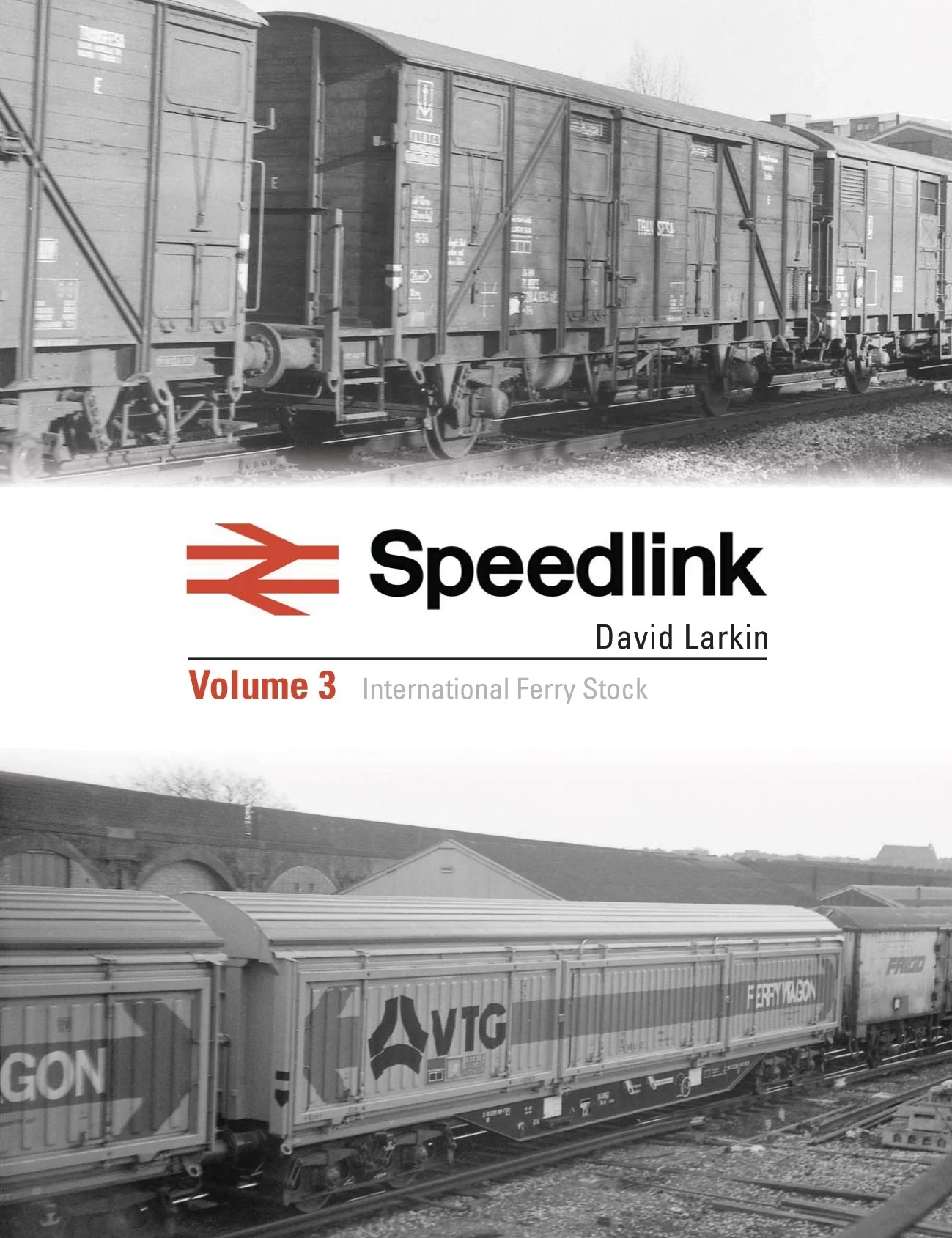
Speedlink Volume 3 - International Ferry Stock
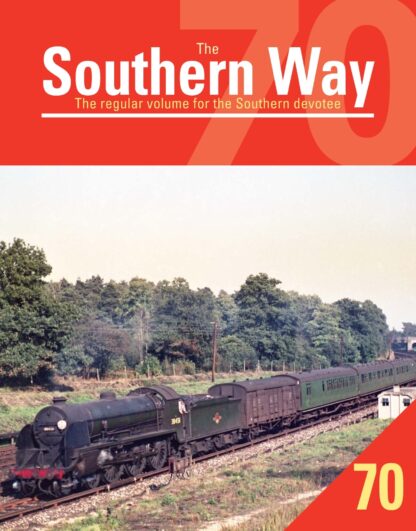
The Southern Way - Issue 70
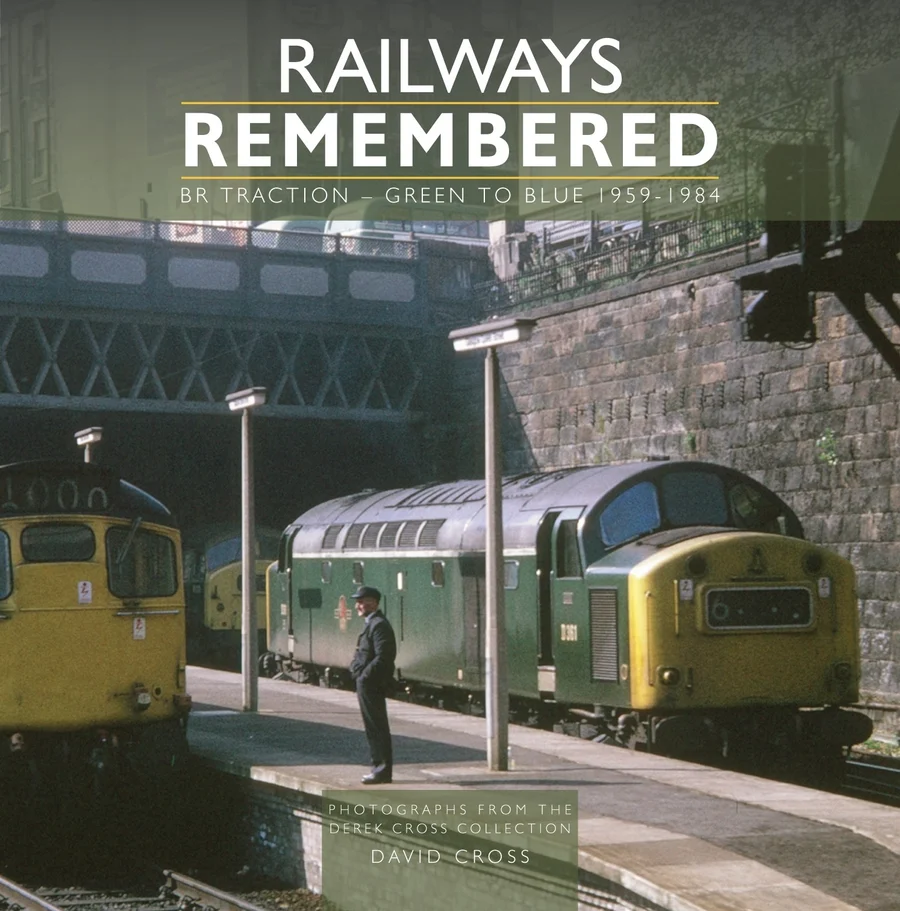
Railways Remembered: BR Traction – Green to Blue 1959-1984